
10mm toughened glass
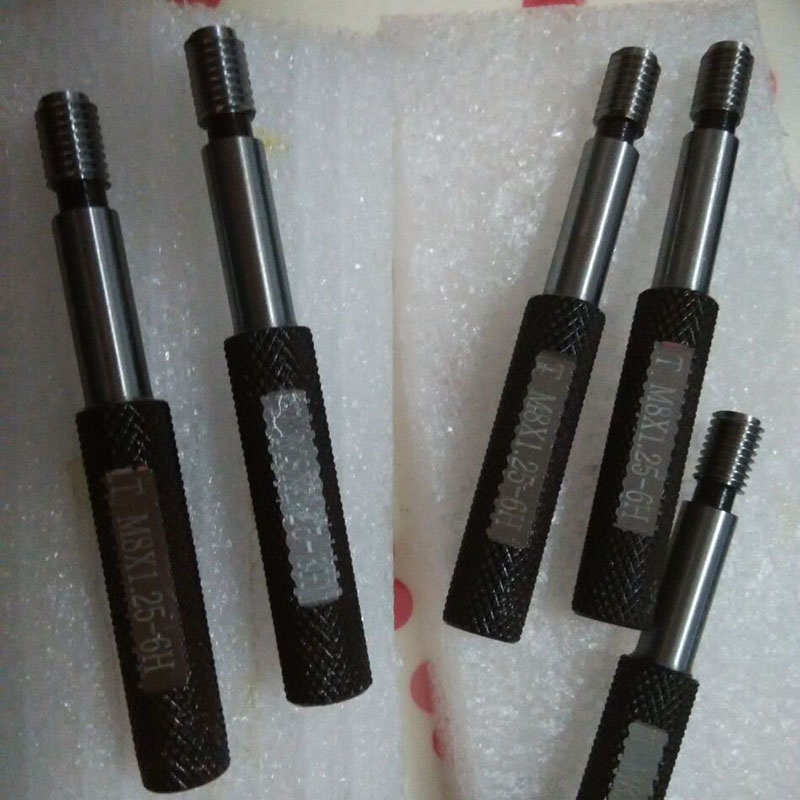
Understanding Threaded Plug Gauges An Essential Tool for Quality Control In the realm of precision engineering and manufacturing, ensuring the integrity and dimensional accuracy of threaded components is paramount. One of the key instruments that plays a critical role in assuring this accuracy is the threaded plug gauge. This tool serves as a simple yet effective means of checking the limits and tolerances of internal threads, making it essential for quality control in various industries. What is a Threaded Plug Gauge? A threaded plug gauge is a calibration tool used to verify the dimensions and functionality of internal threads in machined parts. Typically made from hardened steel, these gauges feature a threaded body that mimics the dimensions of the desired internal thread. They come in two varieties the go gauge, designed to fit into the thread, and the no-go gauge, which should not fit. The primary function of threaded plug gauges is to confirm whether the internal threads of a component meet specific standards and tolerances, ensuring that parts will properly connect and function together as intended. By using these gauges, manufacturers can prevent issues related to fitting and performance that could arise from improperly machined threads. Applications of Threaded Plug Gauges Threaded plug gauges are used across a wide range of industries, from aerospace and automotive to electronics and general manufacturing. Their applications include 1. Quality Assurance in Manufacturing In any manufacturing setup where threaded components are produced, threaded plug gauges are essential for quality control processes. They help in detecting faults that could lead to assembly failures or malfunctions. 2. Maintenance and Repair In maintenance settings, technicians use threaded plug gauges to inspect the condition of existing threaded holes before repairs or replacements are made, ensuring compatibility of new parts . 3. Calibration of Machines and Tools Manufacturers often use these gauges to calibrate machinery that produces threaded components. Consistent use ensures that the equipment is functioning properly and maintaining desired tolerances. How to Use a Threaded Plug Gauge Using a threaded plug gauge requires careful attention to detail and adherence to standardized procedures. The process typically involves the following steps threaded plug gauge 1. Identify the Gauge Determine the correct gauge size based on the specifications for the threaded hole being inspected. 2. Clean the Threads Ensure the internal threads of the component are clean and free from debris, as contaminants can affect the gauge’s accuracy. 3. Insert the Go Gauge Attempt to insert the go gauge into the threaded hole. If it fits smoothly without excessive force, the threads are within the acceptable tolerance range. 4. Insert the No-Go Gauge Next, attempt to insert the no-go gauge. If the no-go gauge does not fit, it confirms that the threaded hole is too large or poorly formed, indicating a potential quality issue. 5. Document the Results Record findings for quality control purposes, ensuring traceability in production or maintenance records. Benefits of Using Threaded Plug Gauges The significance of threaded plug gauges goes beyond just checking tolerances. Their benefits include - Cost-Effectiveness By helping to identify and rectify issues early in the manufacturing process, threaded plug gauges can save companies significant costs associated with rework and scrap material. - Improved Compliance They aid in ensuring compliance with industry standards and regulations, helping manufacturers to maintain their certifications and uphold product quality. - Enhanced Reliability Regular use of threaded plug gauges contributes to the overall reliability of products, leading to increased customer satisfaction and reduced warranty claims. Conclusion Threaded plug gauges are indispensable in the toolkit of quality assurance professionals and engineers alike. By ensuring that threaded parts meet strict tolerances, they play a vital role in the manufacturing process, preventing potential failures in components and assemblies. As industries continue to evolve, the importance of precision tools such as threaded plug gauges will remain at the forefront, reinforcing the foundational principles of quality and reliability essential for today’s competitive market. Whether in a bustling factory or a quiet workshop, threaded plug gauges continue to uphold the standards of precision engineering, ensuring that every threaded connection can be trusted to perform.
about
10mm toughened glass
The Importance and Functionality of Large Globe Valves Large globe valves are critical components in various industrial applications, known for their ability to regulate and control the flow of fluids. These valves are characterized by their spherical body shape, which plays a significant role in their functioning. Unlike other types of valves, globe valves provide a more streamlined and effective control of flow, making them a preferred choice in many systems. Understanding Globe Valves A globe valve operates by using a movable disk – known as the plug – that is positioned in line with the flow of the fluid. When the valve is closed, the plug sits against a seat, blocking the flow and ensuring that the system is pressurized. Conversely, when the valve is opened, the plug lifts away from the seat, allowing for fluid to pass through. This mechanism allows for precise control over the flow rate, which can be crucial in processes where the concentration or speed of a fluid is important. Applications of Large Globe Valves Large globe valves are predominantly used in applications that deal with substantial flow rates and pressures. Industries such as oil and gas, water treatment, power generation, and chemical manufacturing extensively employ these valves. For example, in oil and gas pipelines, large globe valves are essential in controlling the flow of crude oil and natural gas under high-pressure conditions. Their ability to withstand harsh environments while providing reliable operation makes them an indispensable part of these systems. In power plants, large globe valves are used to regulate steam flow in turbines and other critical components. Proper management of steam flow is vital for efficiency and safety, and large globe valves help ensure that these systems operate optimally. In water treatment facilities, these valves aid in controlling the flow of water during various stages of purification, thus contributing to the delivery of safe drinking water. Design Features large globe valve The design of large globe valves varies depending on the specific needs of the application. Typically, they are made from robust materials such as stainless steel, bronze, or carbon steel, commensurate with the fluids they handle. The size and construction are essential, as larger valves may need to accommodate higher pressure and temperature requirements. These valves can be designed in various styles, including bolted bonnet and welded body configurations, allowing for different installation needs and maintenance preferences. The end connections also vary, with options for flanged connections or threaded ends, further enhancing versatility. Another critical design aspect is the valve’s actuator. Large globe valves can be operated manually or automatically via electric, pneumatic, or hydraulic actuators. The choice of actuator affects the speed of operation and the level of control available, making it essential for engineers to select the right type according to the system requirements. Maintenance and Lifespan While large globe valves are built for durability, regular maintenance is essential for ensuring their longevity and reliable performance. Routine inspections can identify issues such as wear and tear on seals and seats, which, if left unaddressed, can lead to leaks and inefficiencies. Lubrication of moving parts is vital to prevent corrosion and guarantee smooth operation. Additionally, in applications where the valve may remain in a closed or partially closed position for extended periods, it is crucial to cycle the valve regularly to prevent the seating surface from bonding with the seat material. Conclusion In conclusion, large globe valves serve a fundamental role in managing fluid flow across various industrial sectors. Their unique design allows for precise control over flow rates, making them particularly valuable in high-pressure and high-flow applications. With proper maintenance and care, these valves can provide reliable service and safety, thereby ensuring the efficiency and sustainability of critical systems. As industries evolve, the continual enhancement of globe valve technology will further bolster their importance in modern engineering solutions.
-

High quality industrial productsagement

High quality industrial products
View Details -

Meet the diverse needs of customers

Meet the diverse needs of customers
View Details -

Strict quality control

Strict quality control
View Details -

Top raw materials

Top raw materials
View Details -

Trusted supplier

Trusted supplier
View Details
Our application

news and information
Various control valve types and their practical uses in different applications
Control valves are an essential component in various industries and applications, helping regulate t
where is the water valve in my house
Where Is the Water Valve in My House? Understanding where the water valve is located in your home is

Utilização de réguas paralelas
Uso do Régua Paralela Uma Ferramenta Essencial para Precisão em Desenhos e Projetos O uso da régua p
 English